

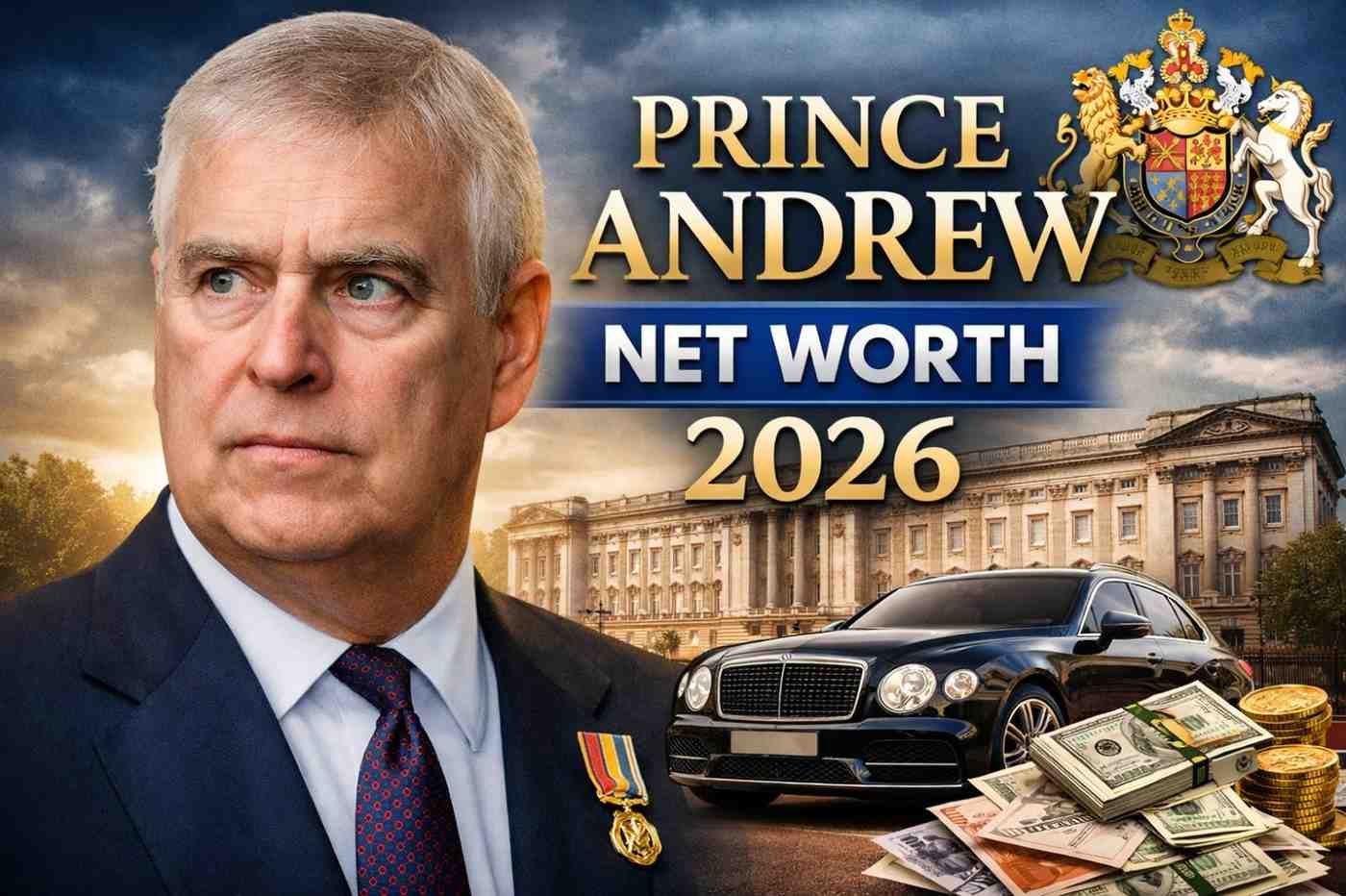
Prince Andrew Net Worth 2026: The Complete Financial Breakdown
The Duke of York’s financial situation has become one of the most scrutinized aspects of modern royal life. Prince Andrew, once a working member of the British Royal Family, now finds himself navigating a completely different financial landscape than the one he enjoyed just a few years ago.
His net worth in 2026 tells a story of dramatic change, legal battles, and family tensions that have reshaped his entire economic standing.
Understanding Prince Andrew’s Current Net Worth
As of 2026, Prince Andrew’s estimated net worth sits somewhere between £5 million and £10 million. That’s a significant figure for most people, sure. But it’s actually modest when compared to other senior royals and considering his previous lifestyle.
The exact number remains difficult to pin down because royal finances aren’t exactly transparent. Unlike celebrities who have publicly traded companies or disclosed earnings, the royals operate in a sphere of financial privacy that makes precision nearly impossible.
What we do know is that his wealth has taken several hits over the past few years. Legal settlements, loss of patronages, and reduced royal support have all contributed to a financial picture that looks nothing like it did in 2019.
His mother, Queen Elizabeth II, reportedly helped fund his legal defense and settlement. That support disappeared with her passing in September 2022, creating a gap that’s proven challenging to fill.
The Royal Lodge Situation
The Royal Lodge has become the center of Prince Andrew’s financial struggles. This 30-room mansion in Windsor Great Park is where he’s lived since 2004, and it’s become a symbol of his refusal to downsize despite mounting pressure.
He signed a 75-year lease on the property back in 2003.
The terms of that lease require him to maintain the property to a high standard, which is where things get expensive. The maintenance costs alone are estimated at around £400,000 annually. That doesn’t even include utilities, staff, or security.
King Charles III has reportedly wanted Andrew to move to the smaller Frogmore Cottage, which Prince Harry and Meghan Markle vacated. The reasoning is simple – it’s more affordable and appropriate for someone no longer performing royal duties.
Andrew has resisted. Hard.
The standoff between the King and his brother has played out in various media reports throughout 2024 and 2025. Sources close to the situation suggest that Andrew believes giving up Royal Lodge would be admitting defeat, a final acknowledgment that his position has irreversibly changed.
In late 2025, reports emerged that Andrew had secured private funding to continue maintaining the property. The source of this funding remains unclear, which has sparked its own set of questions about financial propriety and potential conflicts of interest.
Sources of Income: Where the Money Actually Comes From
Unlike working royals who receive funds from the Sovereign Grant, Prince Andrew’s income sources are more limited and less reliable.
His Navy pension provides a steady income stream. After serving for 22 years and reaching the rank of Vice Admiral, his military pension is estimated at around £20,000 annually. That’s nothing, but it’s hardly enough to maintain a royal lifestyle.
He also receives income from investments, though the exact portfolio details remain private. Financial analysts estimate his investment income could range from £50,000 to £150,000 per year, depending on market performance and the size of his holdings.
There’s also the inheritance from Queen Elizabeth II. While the bulk of her estate went to King Charles III, she likely left provisions for her other children. The exact amount Andrew received hasn’t been disclosed, but speculation puts it in the range of several million pounds.
The problem is that these income sources need to cover substantial expenses. Security alone costs hundreds of thousands annually, especially since he lost taxpayer-funded protection when he stepped back from royal duties.
The Legal Settlement That Changed Everything
The Virginia Giuffre settlement in 2022 represents the single most significant financial impact on Prince Andrew’s net worth. While the exact settlement amount was never publicly disclosed, estimates range from £7 million to £12 million.
Queen Elizabeth reportedly helped finance this settlement. Some sources suggest she may have sold assets or tapped into private funds to assist her son, though the Palace never confirmed these details.
The settlement didn’t just cost money upfront. It also closed doors to potential income opportunities and damaged his reputation beyond repair in the commercial sphere.
Any chance of lucrative speaking engagements, board positions, or business ventures essentially evaporated. Companies want nothing to do with the controversy, regardless of the legal outcomes.
Lost Income from Stripped Titles and Patronages
In January 2022, Prince Andrew was stripped of his military affiliations and royal patronages. This wasn’t just symbolic – it had real financial implications.
Royal patronages often come with perks. Travel expenses covered, access to exclusive events, and sometimes direct or indirect financial benefits. All of that disappeared overnight.
His role as a trade envoy, which he held from 2001 to 2011, had provided opportunities for business connections that could translate into income. Those networks haven’t disappeared entirely, but their value has diminished considerably without the official backing of royal status.
The HRH title still exists, but he can’t use it in any official capacity. That distinction might seem minor, but in the world of royalty and aristocracy, these titles carry economic weight.
Comparing Prince Andrew’s Wealth to Other Royals
King Charles III’s net worth is estimated at over £600 million, though much of this is tied up in the Duchy of Lancaster and isn’t liquid personal wealth. Still, the contrast is stark.
Prince William, through the Duchy of Cornwall, now commands an estate worth over £1 billion. Again, not all of this is personal wealth, but it provides substantial annual income.
Even Prince Harry, who stepped away from royal duties, has built an estimated net worth of around £50 million through book deals, Netflix contracts, and Spotify agreements (though the latter ended).
Princess Anne and Prince Edward both have more modest net worths, estimated in the £10-30 million range. They’ve maintained their positions as working royals, which provides stability and support that Andrew no longer enjoys.
The comparison highlights how Andrew’s situation is uniquely challenging. He doesn’t have the income streams of working royals, but he also doesn’t have the commercial freedom that Harry and Meghan pursued.
He’s stuck in a middle ground that’s financially unsustainable.
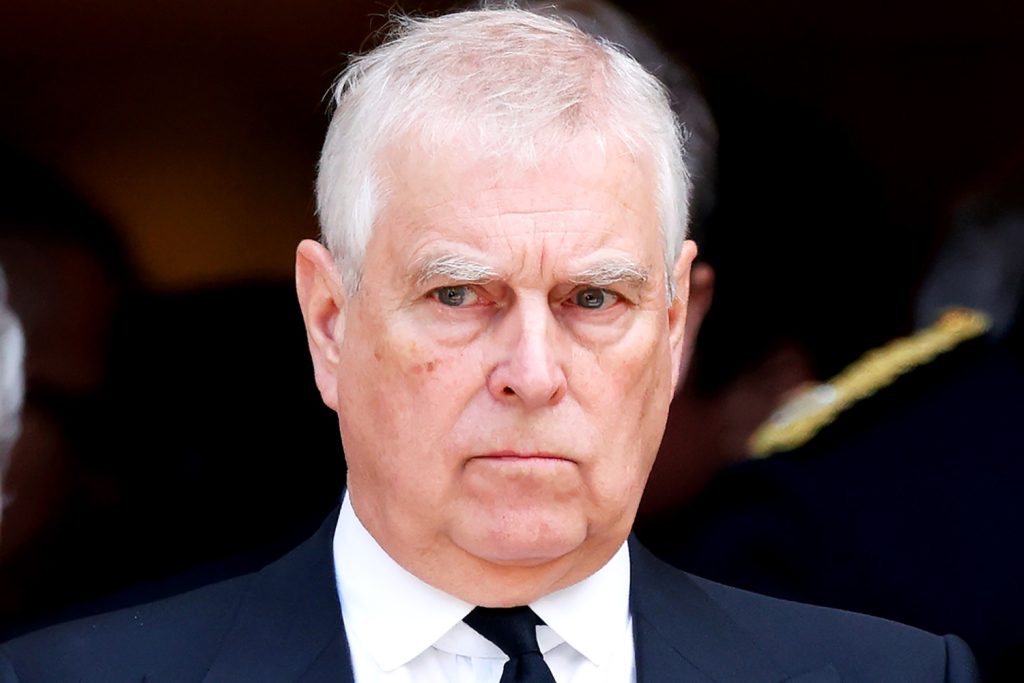
Prince Andrew Net Worth: Daily Life and Expenses in 2026
Maintaining even a reduced lifestyle costs money. A lot of it.
Prince Andrew still employs staff, though reportedly fewer than before. Housekeepers, groundskeepers, and personal assistants don’t work for free. Even a skeleton crew at Royal Lodge could cost £200,000 or more annually.
Security remains one of his largest expenses. Without government-funded protection, private security for someone of his profile costs upwards of £300,000 per year. Some reports suggest the King has continued to fund some security measures, but this remains unconfirmed.
Travel, entertainment, and personal expenses add up. While Andrew has reportedly cut back on luxury spending, maintaining even a modest version of royal life requires substantial funds.
The mathematics simply don’t work long-term without external support or a significant change in circumstances.
The Mystery of Private Funding
In 2025, reports emerged that Prince Andrew had found private benefactors willing to fund his Royal Lodge expenses. This revelation raised more questions than it answered.
Who are these benefactors? What do they expect in return? Are there any potential conflicts of interest or security concerns?
The Palace hasn’t commented on these questions, which has fueled speculation. Some suggest wealthy friends from his trade envoy days. Others point to potential foreign connections that would raise serious concerns.
Without transparency, the situation remains murky and potentially problematic.
What the Future Holds
Prince Andrew’s financial future looks precarious at best. Without new income sources or a willingness to dramatically reduce expenses, the current trajectory isn’t sustainable.
He’s 66 years old in 2026. Unlike his older sister Anne or younger brother Edward, he doesn’t have a clear role within the royal structure. That lack of purpose translates directly into a lack of financial support and opportunity.
The most likely scenario involves eventually downsizing from Royal Lodge, whether voluntarily or through financial necessity. The property requires too much maintenance for someone without a steady, substantial income.
There’s also the possibility of a memoir or tell-all book. While this would be controversial and likely damage his relationship with the family further, it could provide a significant financial windfall. Publishers would pay millions for his story, though whether he’d actually go this route remains doubtful.
Investment income could grow if managed well, but it’s unlikely to provide the kind of money needed to maintain anything resembling his current lifestyle.
The reality is that Prince Andrew’s financial story is one of decline. Not catastrophic poverty by any means, but a steady erosion of wealth and position that shows no signs of reversing.
Public Perception and Financial Scrutiny
The British public has shown limited sympathy for Andrew’s financial struggles. Poll after poll indicates that most people believe he should receive no taxpayer support whatsoever.
Media coverage has been largely critical, focusing on the apparent disconnect between his financial reality and his lifestyle expectations. The Royal Lodge standoff, in particular, has become symbolic of what many see as entitlement and refusal to accept consequences.
This public opinion matters because it influences how much support the King can or will provide. Charles is acutely aware of public sentiment and the need to modernize the monarchy. Propping up his brother financially doesn’t fit that narrative.
The Broader Royal Finance Context
Understanding Prince Andrew’s net worth requires context about how royal finances work generally. The monarchy operates through several distinct funding mechanisms.
The Sovereign Grant funds the official duties of working royals. Prince Andrew no longer qualifies for this funding.
Private estates like the Duchy of Cornwall and the Duchy of Lancaster provide income to specific royals. Andrew has no access to these.
Personal wealth accumulated through inheritances and investments varies widely among family members. This is where Andrew’s net worth actually sits.
The system is complex, deliberately opaque, and designed to protect royal privacy. That opacity makes definitive statements about any royal’s true wealth difficult.
Lessons from a Financial Fall
Prince Andrew’s financial trajectory offers several lessons. First, reputation matters enormously when it comes to wealth preservation and generation. Once lost, it’s nearly impossible to rebuild.
Second, lifestyle inflation is dangerous. Living beyond sustainable means eventually catches up with you, regardless of title or family connections.
Third, having a purpose – whether through work, service, or a clear role – provides financial stability. Andrew’s lack of a clear purpose after stepping back has left him adrift both publicly and financially.
The Bottom Line on Prince Andrew’s Net Worth
Prince Andrew’s net worth in 2026 represents a dramatic fall from grace and financial comfort. What was once a position of privilege backed by family support and public funding has become a precarious balancing act.
He’s not poor by any normal standard. But by royal standards, and given his expenses, he’s facing genuine financial pressure that’s unlikely to ease without major changes.
The Royal Lodge standoff will likely be resolved in the coming years, probably not in Andrew’s favor. The mysterious private funding can’t last forever without raising questions that become impossible to ignore.
His story is ultimately about the financial consequences of scandal and the limits of royal privilege when public opinion turns decisively against you.
The Duke of York may retain his title, but the financial security that once came with it has largely disappeared. What remains is a cautionary tale about reputation, responsibility, and the real cost of controversy.
Frequently Asked Questions
How much is Prince Andrew worth in 2026?
Prince Andrew’s estimated net worth in 2026 is between £5 million and £10 million. This includes his investments, inheritance from Queen Elizabeth II, and personal assets. However, his substantial expenses for Royal Lodge maintenance and private security significantly impact his financial position.
Does Prince Andrew still receive money from the Royal Family?
Prince Andrew no longer receives funding from the Sovereign Grant, which supports working royals. However, King Charles III may provide some financial assistance for security costs, though this hasn’t been officially confirmed. He receives a Navy pension from his military service.
Who paid for Prince Andrew’s legal settlement with Virginia Giuffre?
Queen Elizabeth II reportedly helped fund Prince Andrew’s legal settlement with Virginia Giuffre in 2022, which was estimated between £7 million and £12 million. Some sources suggest she sold assets or used private funds to assist him with these costs.
Can Prince Andrew sell Royal Lodge?
No, Prince Andrew cannot sell Royal Lodge because he doesn’t own it. He holds a 75-year lease that began in 2003, granted by the Crown Estate. He can give up the lease, but selling the property isn’t an option since it remains Crown property.
What is Prince Andrew’s main source of income?
Prince Andrew’s main income sources include his Navy pension (approximately £20,000 annually), investment income (estimated £50,000-£150,000 yearly), and inheritance from Queen Elizabeth II. He recently reportedly secured private funding to maintain Royal Lodge, though the sources remain undisclosed.
Why won’t Prince Andrew move out of Royal Lodge?
Prince Andrew has resisted moving from Royal Lodge despite pressure from King Charles III because he holds a valid lease until 2078 and believes he has secured sufficient private funding to maintain the property. The residence also represents his status, and moving would symbolize further decline.
How does Prince Andrew afford his lifestyle without royal duties?
Prince Andrew maintains his lifestyle through a combination of his Navy pension, investment income, inheritance from Queen Elizabeth II, and, reportedly, private benefactors who have funded his Royal Lodge expenses. However, this arrangement is considered financially unsustainable long-term by many observers.
RELATED POSTS:
- IShowSpeed Net Worth 2026: CT Kid Built a $35 Million Empire
- E Money Net Worth in Naira & Dollars 2026
Discover more from SteezeTech
Subscribe to get the latest posts sent to your email.
